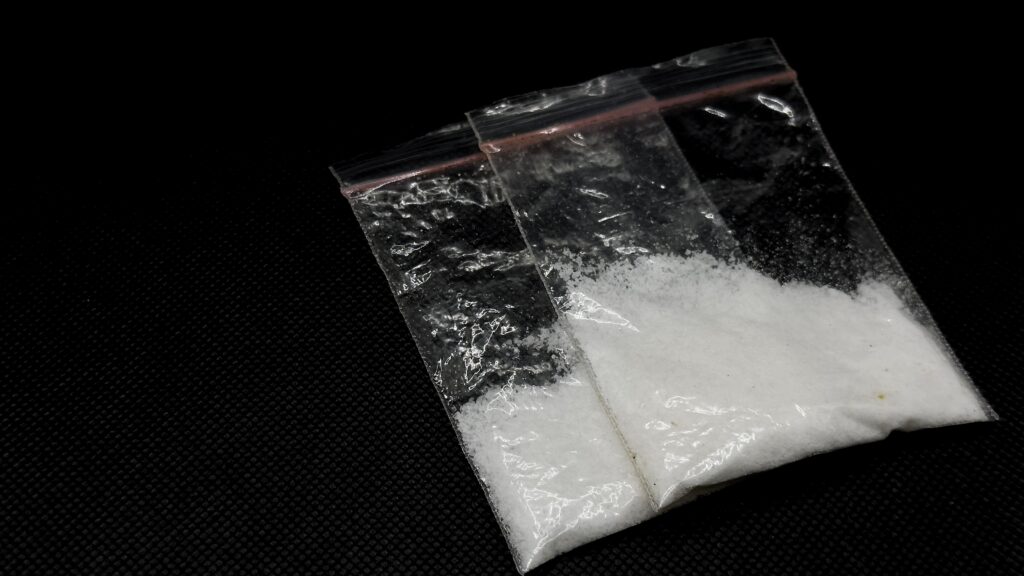
Facing a methamphetamine manufacturing charge in Wisconsin is a serious matter, carrying some of the harshest penalties under the state's controlled substances laws. Manufacturing allegations often involve extensive police investigations, forensic evidence, and multiple potential charges stemming from a single arrest.
Christopher J. Cherella has spent more than 30 years defending clients throughout Wisconsin against serious criminal charges, including federal and state drug manufacturing cases. If you have been arrested or are under investigation for meth production in Milwaukee, call the Law Offices of Christopher J. Cherella today at (414) 347-9334 to discuss your situation with our criminal defense attorneys.
What Is Considered Methamphetamine Production Under Wisconsin Law?
Under Wisconsin law, methamphetamine production, or manufacturing, generally refers to any part of the process of creating, synthesizing, or preparing methamphetamine, including possessing the chemicals, equipment, or materials commonly associated with meth production with the intent to manufacture the drug.
Prosecutors do not need to prove that a large or completed batch was found; they can charge manufacturing based on evidence of producing, attempting to produce, or possessing precursors/equipment with intent to manufacture. Possessing certain precursor chemicals or specialized equipment, can be enough in some cases, depending on the totality of the circumstances and intent.
Wisconsin law also treats manufacturing differently depending on the quantity involved and whether any aggravating factors are present, such as manufacturing near a school, park, or other protected location, or if the manufacturing process created substantial risk of harm (e.g., toxic fumes, fire, or explosion) or triggered environmental/hazardous-materials response.
What Penalties Can You Face for Meth Production in Wisconsin?
In Wisconsin, meth production (manufacturing) penalties are set by Wis. Stat. § 961.41(1). The base felony class and maximum penalty depend primarily on the amount involved, with additional enhancements for certain circumstances.
Base penalties for meth production, based on quantity, may include:
- 3 grams or less: Class F felony punishable by up to 12.5 years in prison and fines up to $25,000
- 3-10 grams: Class E felony punishable by up to 15 years in prison and fines up to $50,000
- 10-50 grams: Class D felony punishable by up to 25 years in prison and fines up to $100,000
- 50 grams or more: Class C felony punishable by up to 40 years in prison and fines up to $100,000
The above penalties are the base consequences for meth production; actual sentences can be higher or lower depending on the facts and prior record. Additional factors can enhance these penalties further, including manufacturing within a specified distance of a school or other protected area, prior drug related convictions, or circumstances involving injury to another person, such as a child present during the manufacturing process or harm caused by toxic fumes or an explosion.
Common Defense Strategies for Meth Production
Several defense strategies may apply depending on the specific facts of your case, including:
- Challenging the legality of the search that led to the discovery of evidence, including whether police had a valid warrant or proper legal justification for the search.
- Disputing the prosecution's claim that items found were intended for manufacturing, particularly when common household items are involved.
- Arguing lack of knowledge or control over the substances or equipment found, particularly in cases involving shared residences or vehicles.
- Challenging the chain of custody or handling of physical evidence collected by law enforcement.
- Questioning the reliability of any field tests or lab results used to identify substances as methamphetamine or its precursors.
- Asserting entrapment or challenging improper conduct during undercover operations or controlled buys.
The right strategy depends heavily on the specific evidence involved in your case. With hundreds of criminal trials behind him, in both Wisconsin state courts and the Federal District Court for the Eastern District of Wisconsin, Attorney Cherella has the experience to identify which of these defenses gives you the strongest position.
What Happens After a Meth Production Arrest?
After an arrest for meth production, you will typically go through an initial appearance and bail hearing, where a judge determines the conditions of your release while the case proceeds. From there, the case moves through preliminary hearings, pretrial motions, and potentially a trial or plea resolution, depending on how the evidence and negotiations develop.
These cases often involve additional procedural and evidentiary challenges compared to other drug charges, which can affect bail conditions, discovery, and the timing of pretrial motions.
How Manufacturing Cases Are Different From Possession Crimes
Manufacturing charges are treated far more seriously than simple possession charges under Wisconsin law, both in terms of potential penalties and the type of evidence the state must prove.
While a possession charge may hinge on what was found on a person or in a specific location, manufacturing cases often require the prosecution to establish intent and involvement in a broader process, including forensic analysis of chemical residue, equipment, and sometimes utility usage patterns at a property.
This added nuance can create more opportunities for a skilled defense attorney to challenge the state's case, and it is exactly the kind of complexity Attorney Cherella has built his practice around navigating.
How to Choose the Right Meth Manufacturing Lawyer?
When facing a manufacturing charge, it is important to choose an attorney with specific experience handling drug manufacturing cases, not just general drug possession or distribution charges. Look for a lawyer who is familiar with how these cases are investigated, including search warrant procedures and forensic evidence, and who has a track record of challenging the prosecution's evidence effectively.
It is also worth considering how much personal attention you will actually receive. Some firms assign significant portions of a case to other attorneys in the firm. Attorney Cherella manages his caseload carefully so that every client is represented by the lawyer they actually hired, not a rotating cast of associates.
How Christopher J. Cherella Can Help With Meth Charges
Christopher J. Cherella has practiced criminal defense in Wisconsin for more than 30 years, including three years as a prosecutor with the City of Milwaukee before returning to private practice in 2001. That experience on both sides of the courtroom gives him direct insight into how prosecutors build and pursue manufacturing cases, and how to identify the weaknesses in those cases, from the legality of the initial search to the reliability of the forensic evidence used against you.
If you are facing a meth production charge in Milwaukee, do not wait to get legal guidance. Contact the Law Offices of Christopher J. Cherella at (414) 347-9334 for a consultation today.